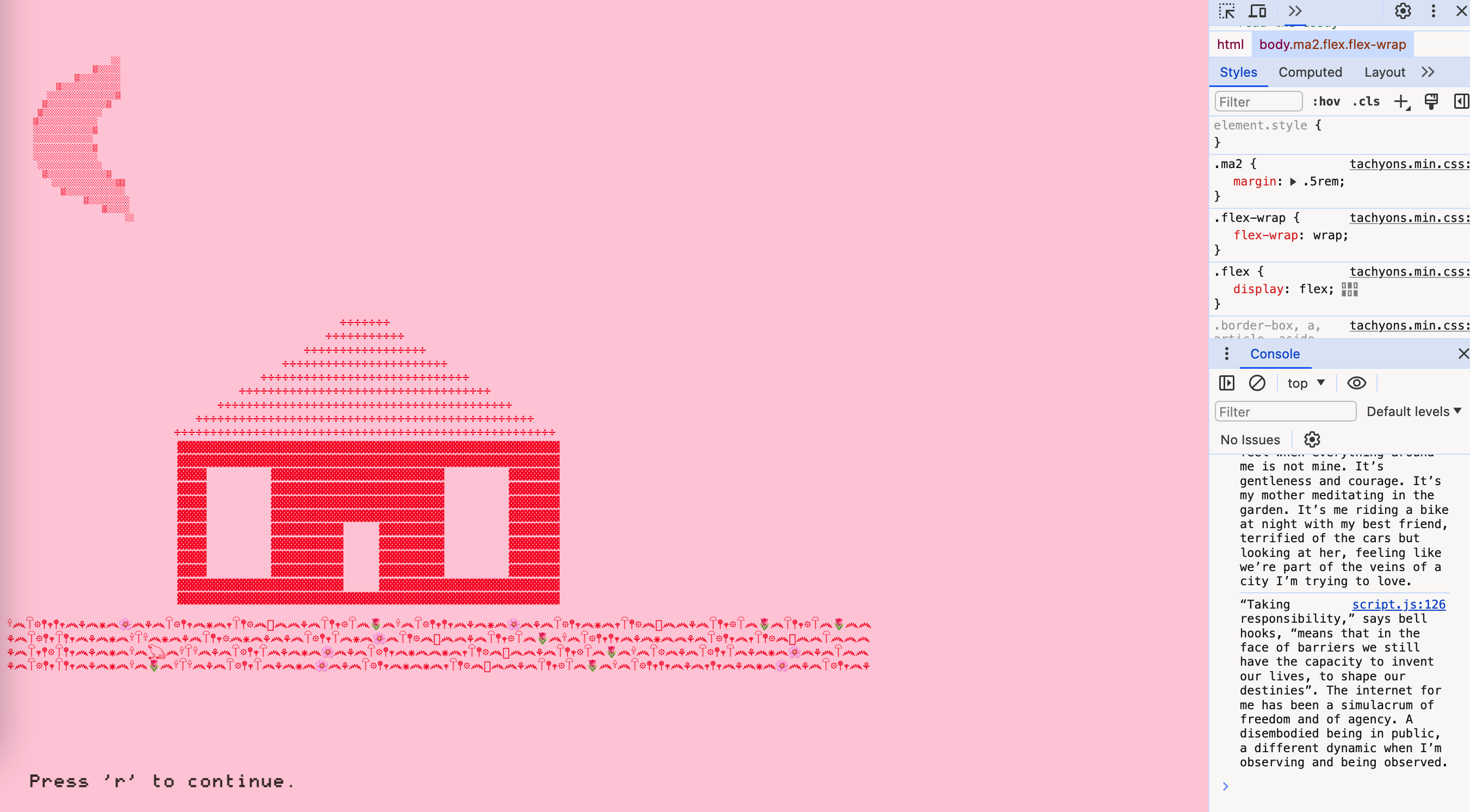
Artist Sara Martinez made an amazing interactive, console log essay “about love for computers, combating escapism and deactivating healing fantasies to face the world“. This is net art at its best.
Artist Sara Martinez made an amazing interactive, console log essay “about love for computers, combating escapism and deactivating healing fantasies to face the world“. This is net art at its best.
“The main thing about the game is to look around and listen to the sounds. It’s not about winning or losing. One could say it’s like an art gallery where you walk around and feel the atmosphere. The game has no monsters chasing you or jumping suddenly towards you. There are very few things to solve, practically a few mazes. Sometimes the game can challenge your navigation skills. But mostly you’re just exploring.”
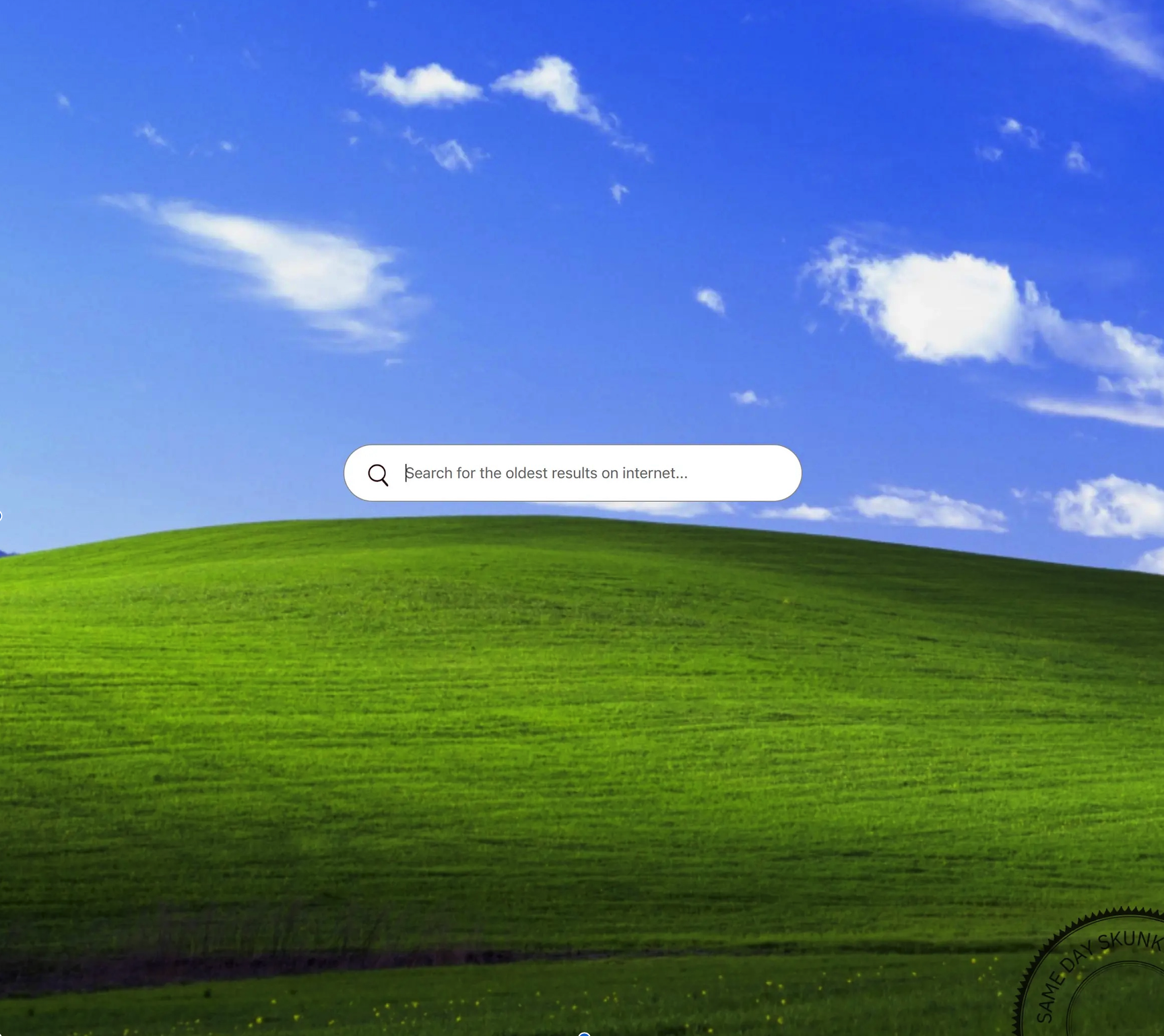
Elan Kiderman Ullendorff has a really interesting collection on alternative search engines.
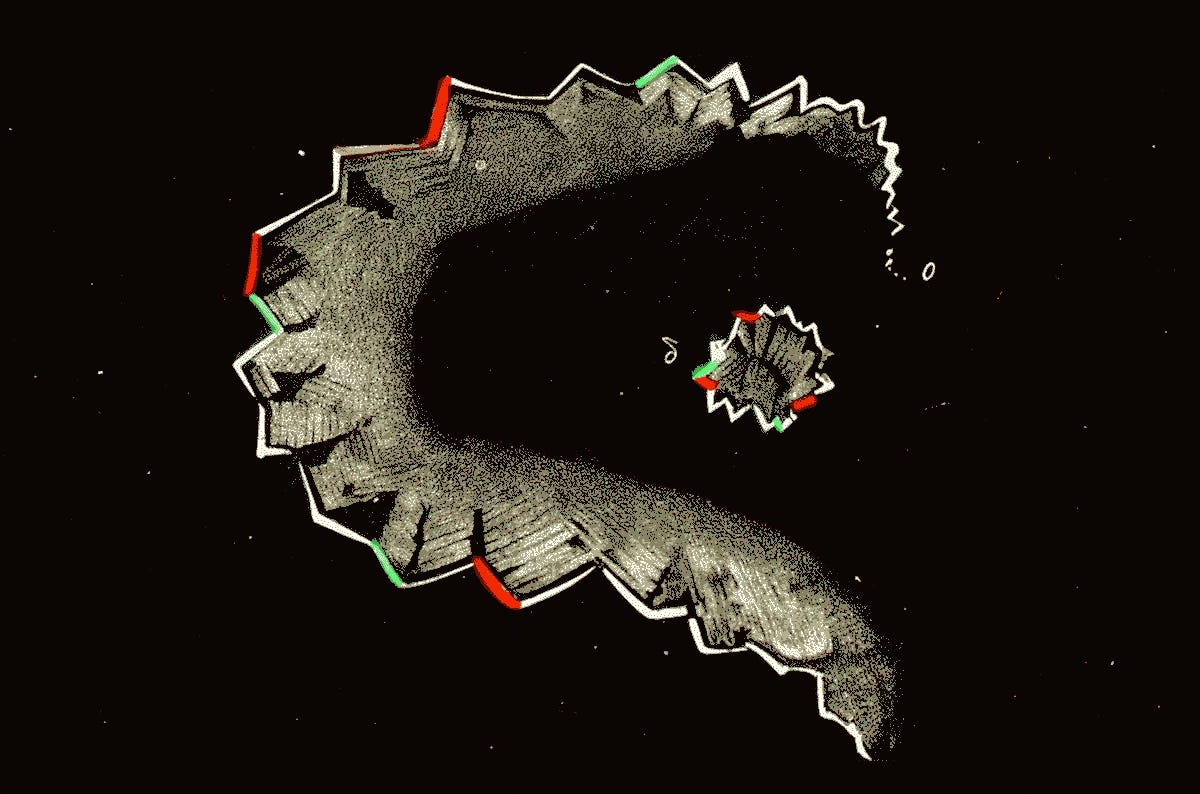
Hubert Airy’s 1870 illustration of his own scintillating scotoma, reproduced in P. W. Latham’s On Nervous or Sick-Headache (1873).
Claire L. Evans wrote a great article about the “scintillating scotoma”, a visual disturbance related to migraines. I had this a couple of times and it looks exactly as described. A terrifying but also extremely fascinating experience.
“Writing about these bizarre and horrifying perceptual phenomena, the late Oliver Sacks observed that migraines ‘show us how the brain-mind constructs ‘space’ and ‘time,’ by demonstrating what happens when space and time are broken, or unmade.”
Kyle McDonald & Lauren Lee McCarthy developed an AI system that can replace your internal monologue:
“With the proliferation of generated content, AI now seeps constantly into our consciousness. What happens when it begins to intervene directly into your thoughts? Where the people you interact with, the things you do, are guided by an AI enhanced voice that speaks to you the way you’d like to be spoken to.”
“One World Moments is a new experiment in ambient media, which seeks to use the new possibilities enabled by AI image generation to create more specific, evocative, and artistic ambient visuals than have been previously possible on a mass scale.”
[via]
I was just reminded by a student of this powerful performance by Michelle Teran:
Moving through the city streets with a video scanner reveals a hidden layer of personal fragments and stories which are broadcast by the private owners of surveillance cameras. The accumulation of these autonomous yet synchronous acts contributes to an invisible ad-hoc network of media permeating the socially codified spaces of our urban environments: the café, the apartment building, the store, the parking lot, and the street. Life: a user’s manual is a shared experience in visualizing the invisible. Together with the participants, Michelle Teran walks through the streets with a wireless surveillance camera scanner and broadcasts the images on a TV monitor.
In the work “Entropophone | La qualité de l’air” by artist Filipe Vilas-Boas, the anonymous video stream of a surveillance camera is transformed into a musical score.
[via]
My House (a.k.a. MyHouse.WAD) is a single-level PK3 for Doom II using the GZDoom source port that was released on March 3, 2023.It was designed by Steve Nelson (Veddge).
“Don’t you think dreams and the internet are similar? They’re both areas where the repressed conscious mind vents.”
From Paprika (2006).
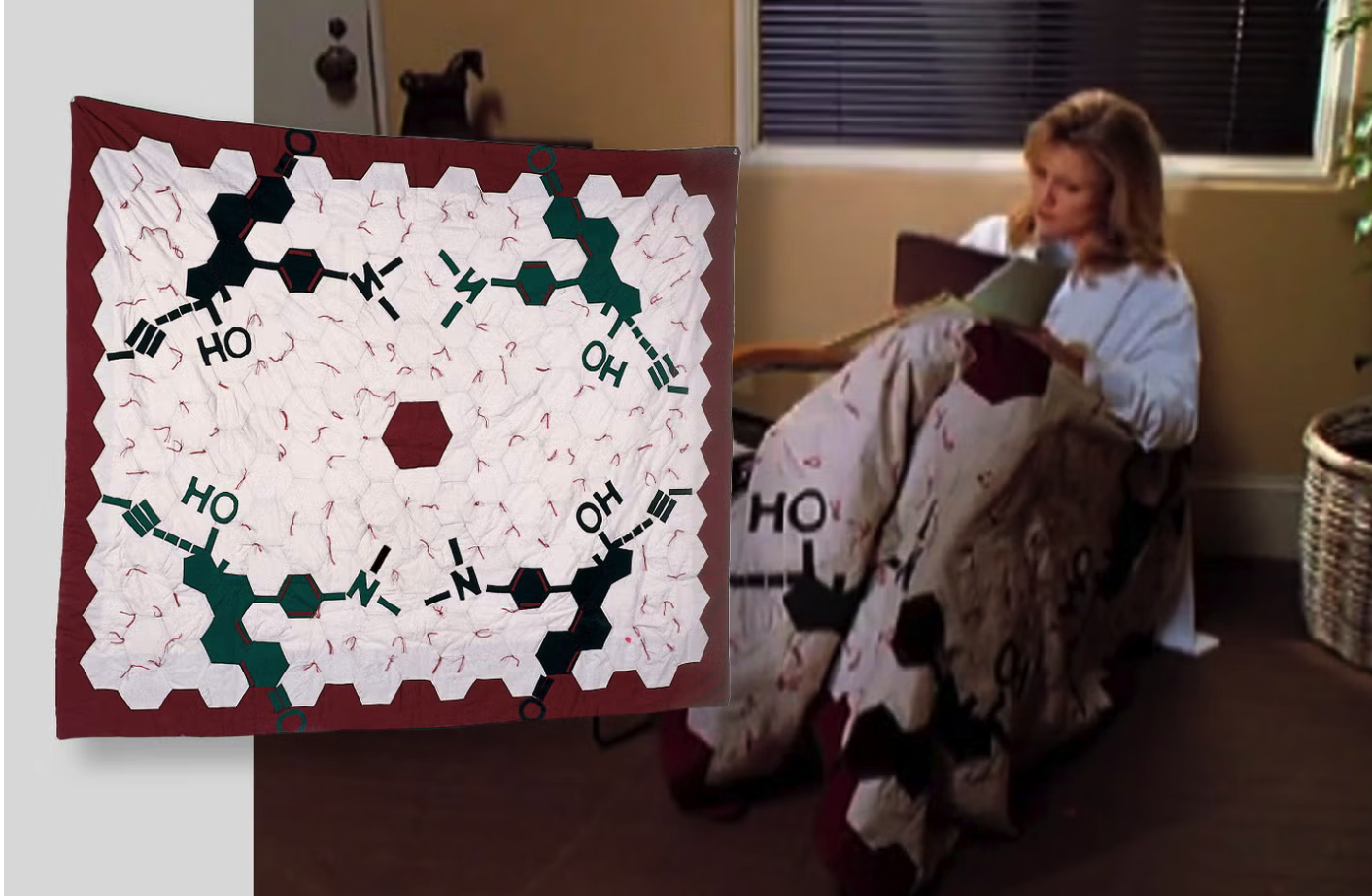
In the 1990s, a group of radical artists called the GALA Committee smuggled political messages into Melrose Place. This story is WILD.
“Watch enough episodes of Melrose Place and you’ll notice other very odd props and set design all over the show. A pool float in the shape of a sperm about to fertilize an egg. A golf trophy that appears to have testicles. Furniture designed to look like an endangered spotted owl.”
[via]
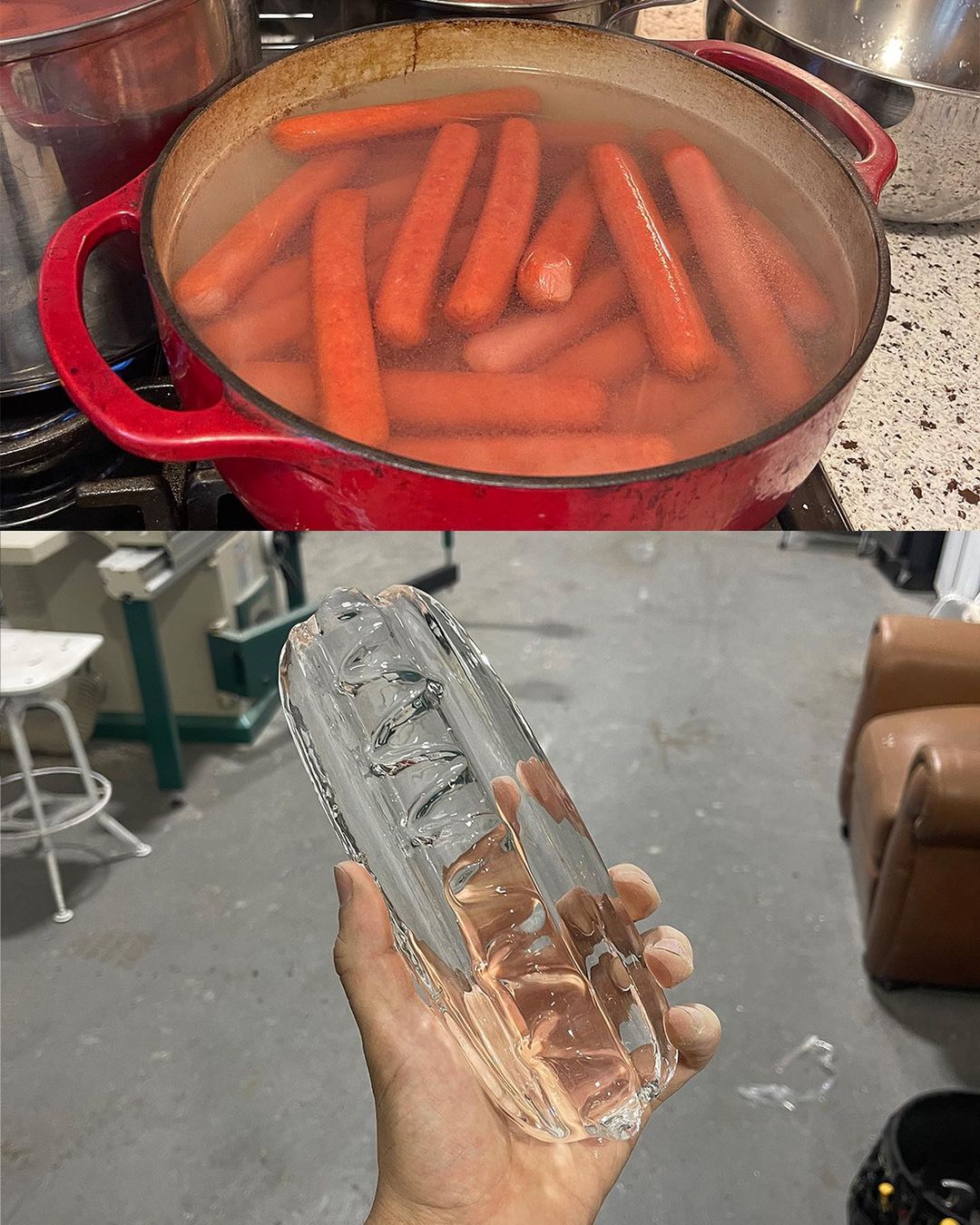
I don’t know why I haven’t come across this artist before. Sunday Nobody calls himself a “meme artist”, but what he does is actually a surprising mixture of conceptual art, performance art, viral video and extremely high level craftsmanship. You can watch his videos on TikTok and Instagram.
Alan Warburton did it again.
“The Wizard of AI,’ a 20-minute video essay about the cultural impacts of generative AI. It was produced over three weeks at the end of October 2023, one year after the release of the infamous Midjourney v4, which the artist treats as “gamechanger” for visual cultures and creative economies. According to the artist, the video itself is ‘99% AI’ and was produced using generative AI tools like Midjourney, Stable Diffusion, Runway and Pika. Yet the artist is careful to temper the hype of these new tools, or as he says, to give in to the ‘wonder-panic’ brought about by generative AI. Using creative workflows unthinkable before October 2023, he takes us on a colourful journey behind the curtain of AI – through Oz, pink slime, Kanye’s ‘Futch’ and a deep sea dredge – to explain and critique the legal, aesthetic and ethical problems engendered by AI-automated platforms. Most importantly, he focusses on the real impacts this disruptive wave of technology continues to have on artists and designers around the world.”
I just discovered my new (old) favourite documentary series. It is titled Connections and it was aired by the BBC in 1978 an 1979. The series was written, and presented by British science historian James Burke. “It took an interdisciplinary approach to the history of science and invention, and demonstrated how various discoveries, scientific achievements, and historical world events were built from one another successively in an interconnected way to bring about particular aspects of modern technology.”
And to my immense surprise and delight, I also read that the series is coming back, 45 years later, with a brand new season.
A programmer named Mahu recreated the layout of the Library of Babel, as described by Jorge Luis Borges as an infinite home for every possible book, in the virtual reality platform VRChat.
“The Library does things that are only possible in virtual reality,” explains Mahu. “It contradicts the laws of euclidean coordinate systems, allowing you to seamlessly traverse what I call fractal space. So in a way my take on the library is perhaps more infinite than Borges’ had imagined.”
I wonder if anyone else gets the same feeling here. Staring into infinity. pic.twitter.com/6NUbXDqKPS
— mahu (@mahuvrc) October 19, 2023
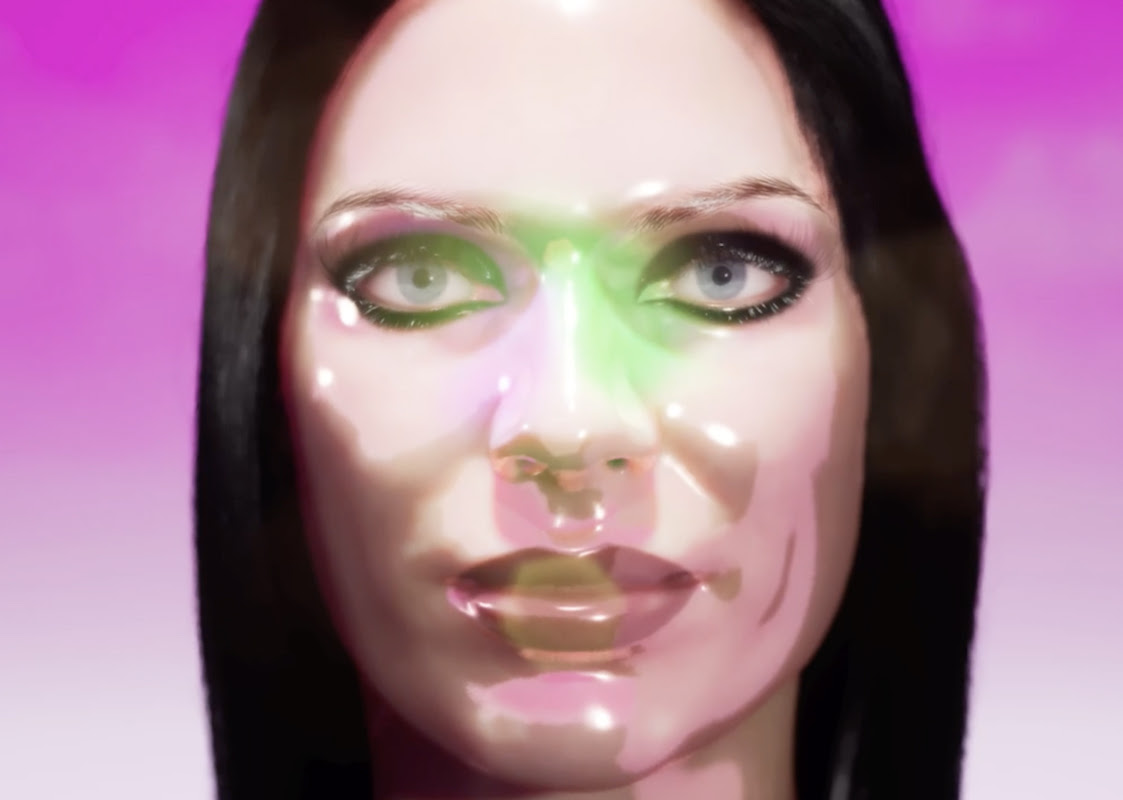
Hello baby dolls, it’s the final boss of vocal fry here. Daniel Felstead’s glossy Julia Fox avatar is back. Last time she took on Zuckerberg’s Metaverse. Now she takes us on a journey into the AI utopian versus AI doomer cyberwarfare bedlam, exploring the stakes, fears, and hopes of all sides. Will AI bring about the post-scarcity society that Marx envisioned, allowing us all to live in labor-less luxury, or will it quite literally extinguish the human race?
Literally No Place, brand new video(art) essay by Daniel Felstead & Jenn Leung
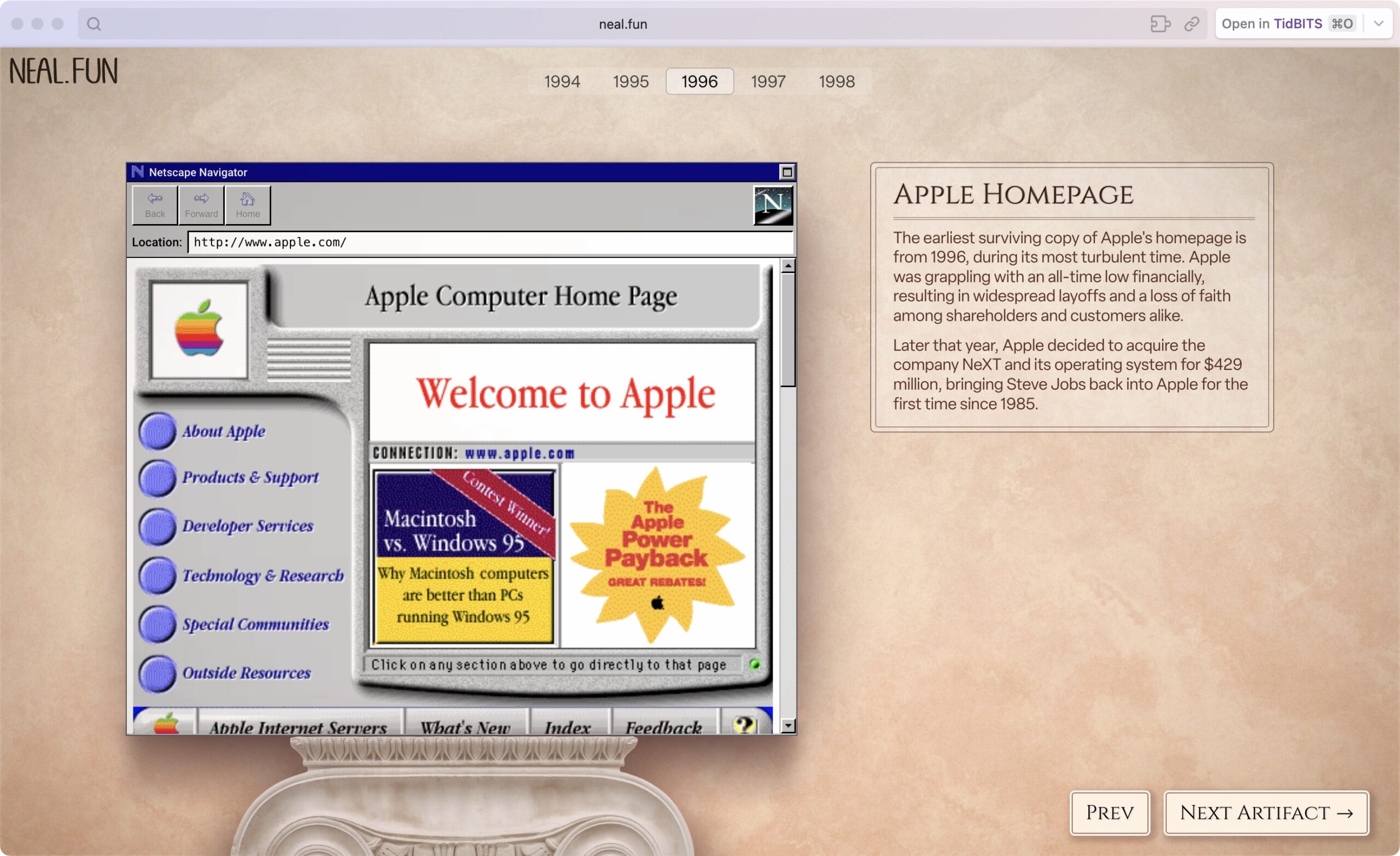
Neal Agarwal is back with a new entry for his collection of entertaining tiny websites. Internet Artifacts is a virtual museum of artifacts from early Internet history. Funny, educational and immensly nostalgic.
A lovely PSA commercial for kids about the dangers of pills. Produced in the 1980’s by the Poison Control Center.
The song is titled “We’re Not Candy!”
We could make you delirious (delirious).
You should have a healthy fear of us (fear of us).
Too much of us is dangerous (no no no no).
Doctors tell the pharmacies (pharmacies)
Types of pills that you will need (you will need).
And they know the harm that we can be (we can be)
If we’re not taken carefully (no no no no).
We’re not candy (believe us!)
Even though we look so fine and dandy.
When you’re sick we come in handy, but
We’re not candy… ohhh, no.

For the final chapter of Shumon Basar’s Lorecore Trilogy (read the first part here, and the second here), the curator collaborated with Y7, a duo based in Salford, England, who specialize in theory and audiovisual work. Here is the result.
Here, according to a neologism from “The Lexicon of Lorecore,” the zeitgeist is taken over by “Deepfake Surrender”—“to accept that soon, everyone or everything one sees on a screen will most likely have been generated or augmented by AI to look and sound more real than reality ever did.” Y7 and I also agreed that, so far, most material outputted from generative AI apps (ChatGPT, DALL-E, Midjourney) is decidedly mid. But, does it have to be?
This short animated film is absolutely mesmerizing.
Newly orphaned and freshly wounded from a loss, a boy lends his friend a prosthetic arm for the day. The friend records the limb being exposed to different textures and materials, documenting the process. As the moon inches closer and closer towards the sun, the friend sees something unusual reflected on the water’s surface… What will become of the limb, and of the video recordings?
Animation and music by GABRIEL GABRIEL GARBLE
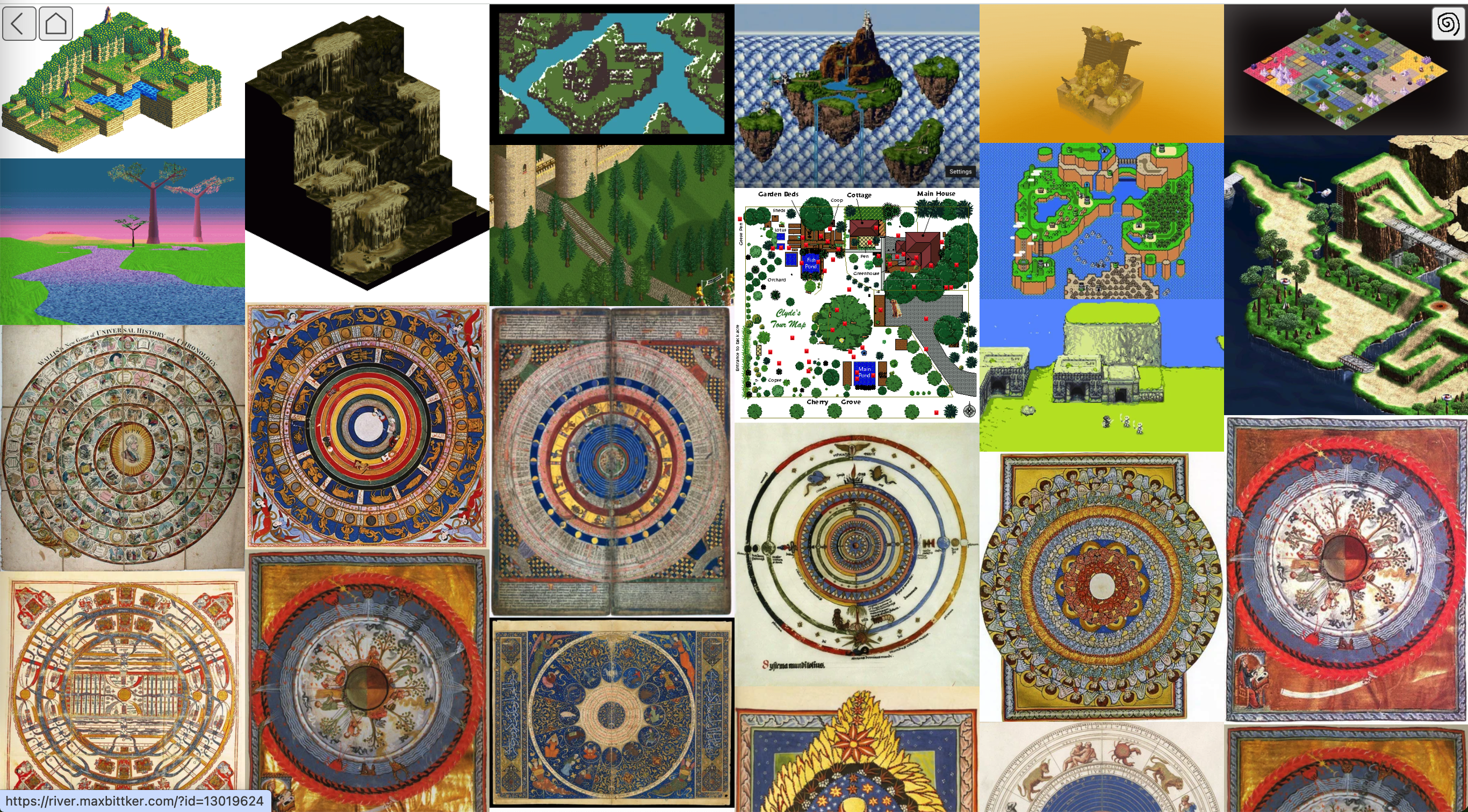
Max Bittker made a CLIP-based image browser, similar to same.energy. I could explore this thing forever.
[via]