Life on the CAPS

Life on the CAPS is a film trilogy by artist Meriem Bennani. It is set on a fictional island where American troopers have exiled immigrants who attempted to enter America via teleportation. In the world of the CAPS, teleportation has replaced air travel, and displaced populations utilize this portal to cross oceans and borders. Layering live action footage and computer-generated animation, Bennani intuitively adapts editing techniques that evoke documentary film, science-fiction, phone footage, music videos, and reality TV.

[via]

The Weird and Wonderful World of AI Art

This article contains an interesting timeline of recent AI art applications, from 2015 to 2022:

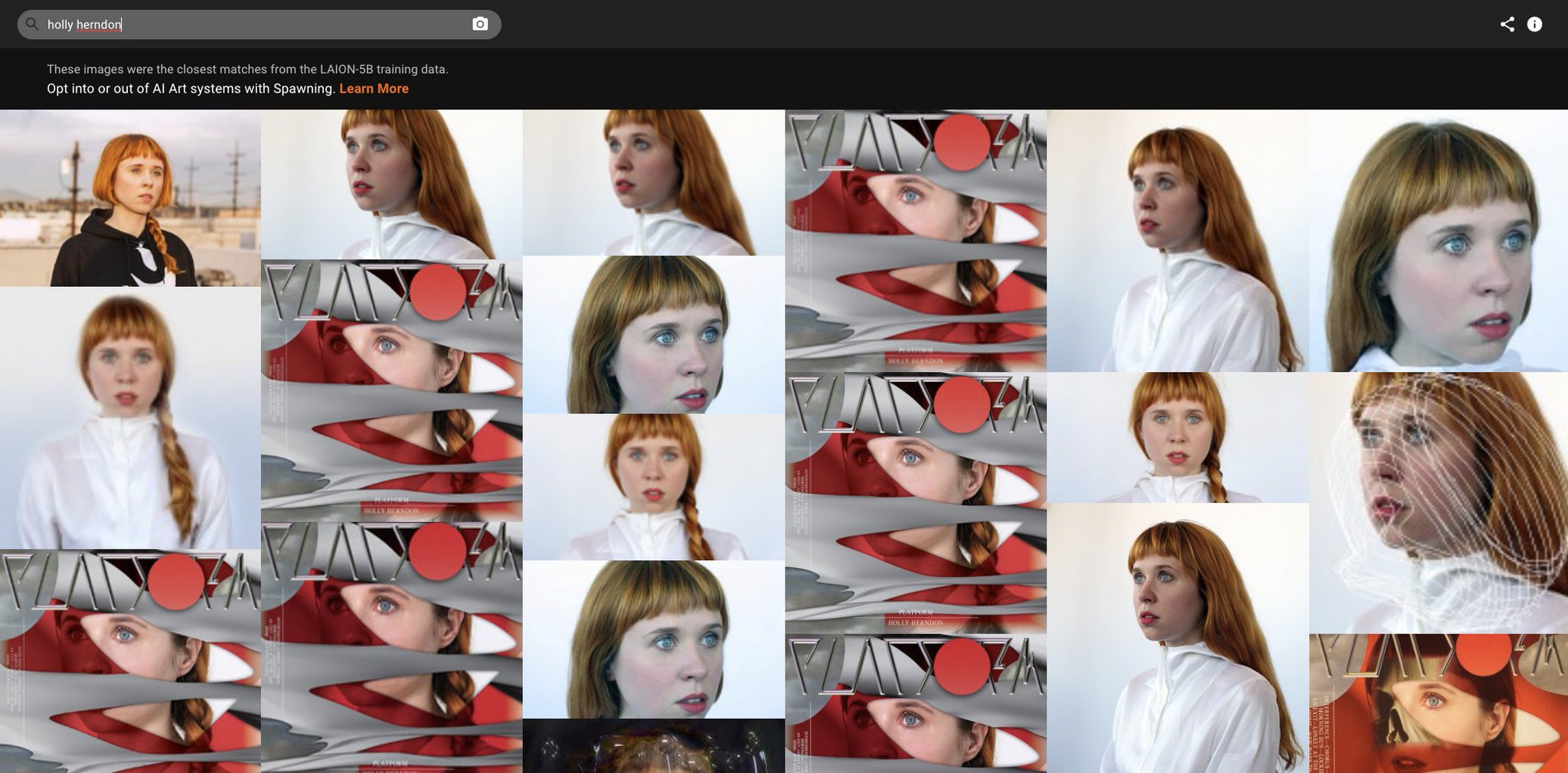
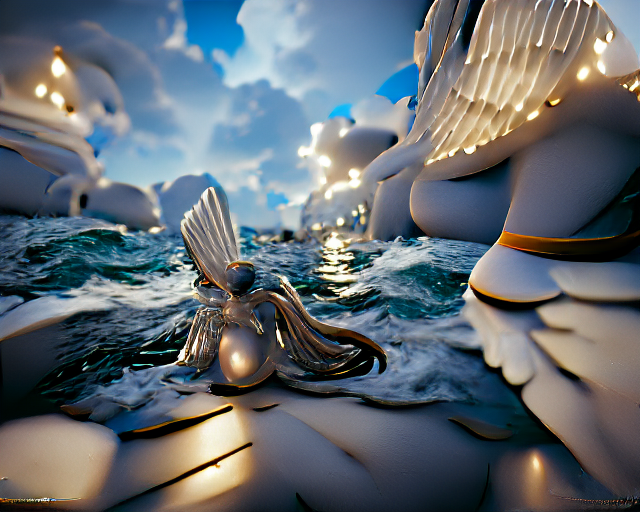
“The AI art we had before 2021 was intriguing, but tended to be abstract, esoteric, and just not that relatable to a human. The AI art we have now is fully controllable, and can be about whatever you want it to be. What changed? Well, there’s something to be said for the new wave of publicity and interest, which certainly accelerated the pace of our art-generation techniques. But the main development is the rise of multimodal learning.”

Another good read on the same topic is Clip Art and the New Aesthetics of AI by Luba Elliott, which also mentions this amazing work by Memo Atken.

Dialogue Goggles

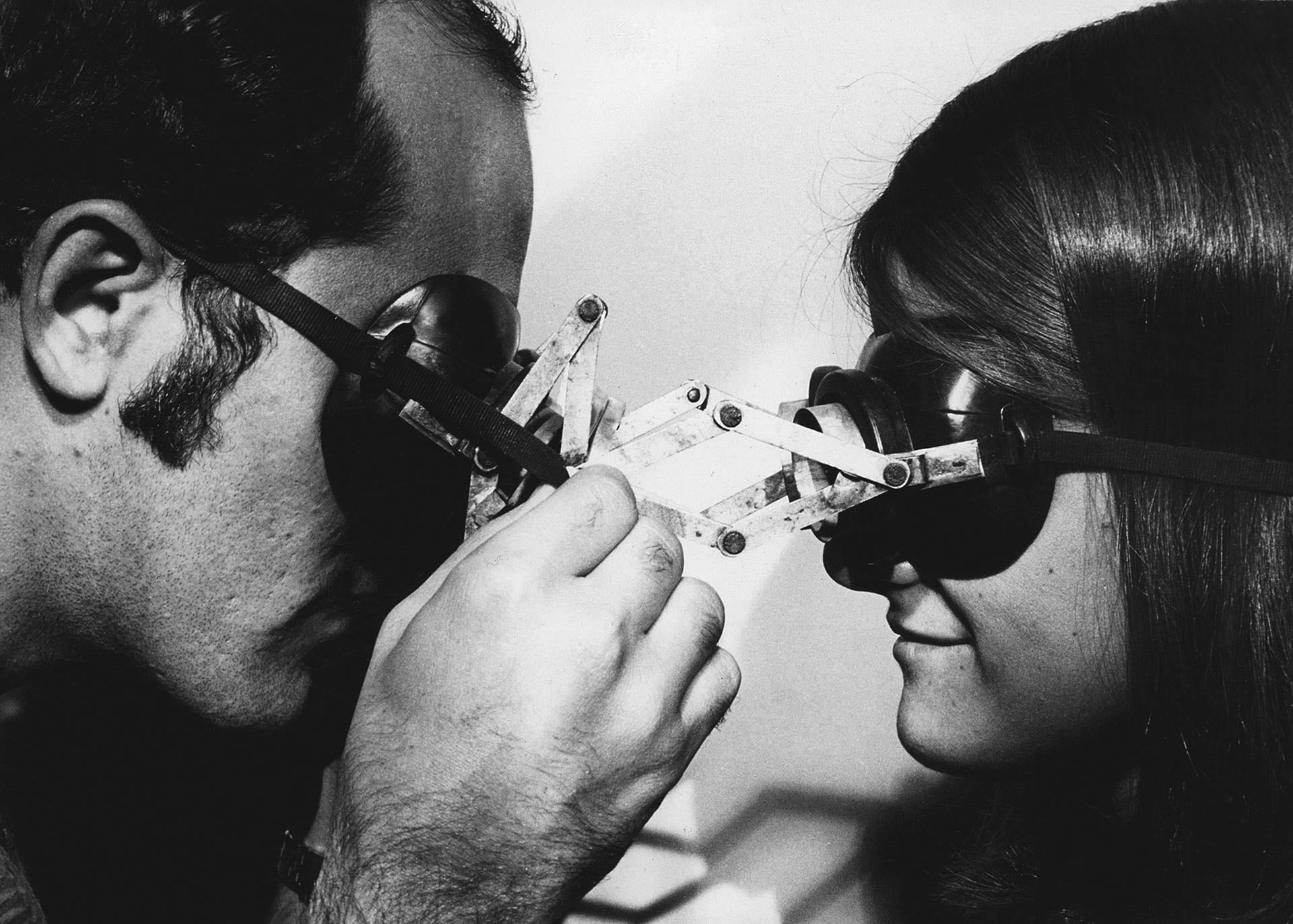
Lygia Clark, Goggles / Dialogue Goggles, 1968

“Brazilian artist Lygia Clark’s ‘Óculos’ (Goggles) and Dialogo: Óculos (Dialogue: Goggles) from 1968 draw attention to the performance of wearing, looking and seeing; and the fashion accessory as an object of communication. Both artworks are performative and are a sensory experience for the participant as well as being an immersive sculpture and fashion accessory. The artwork is the participant wearing the object: a pair of glasses that alters the vision of the participant(s) with magnifying lenses.”

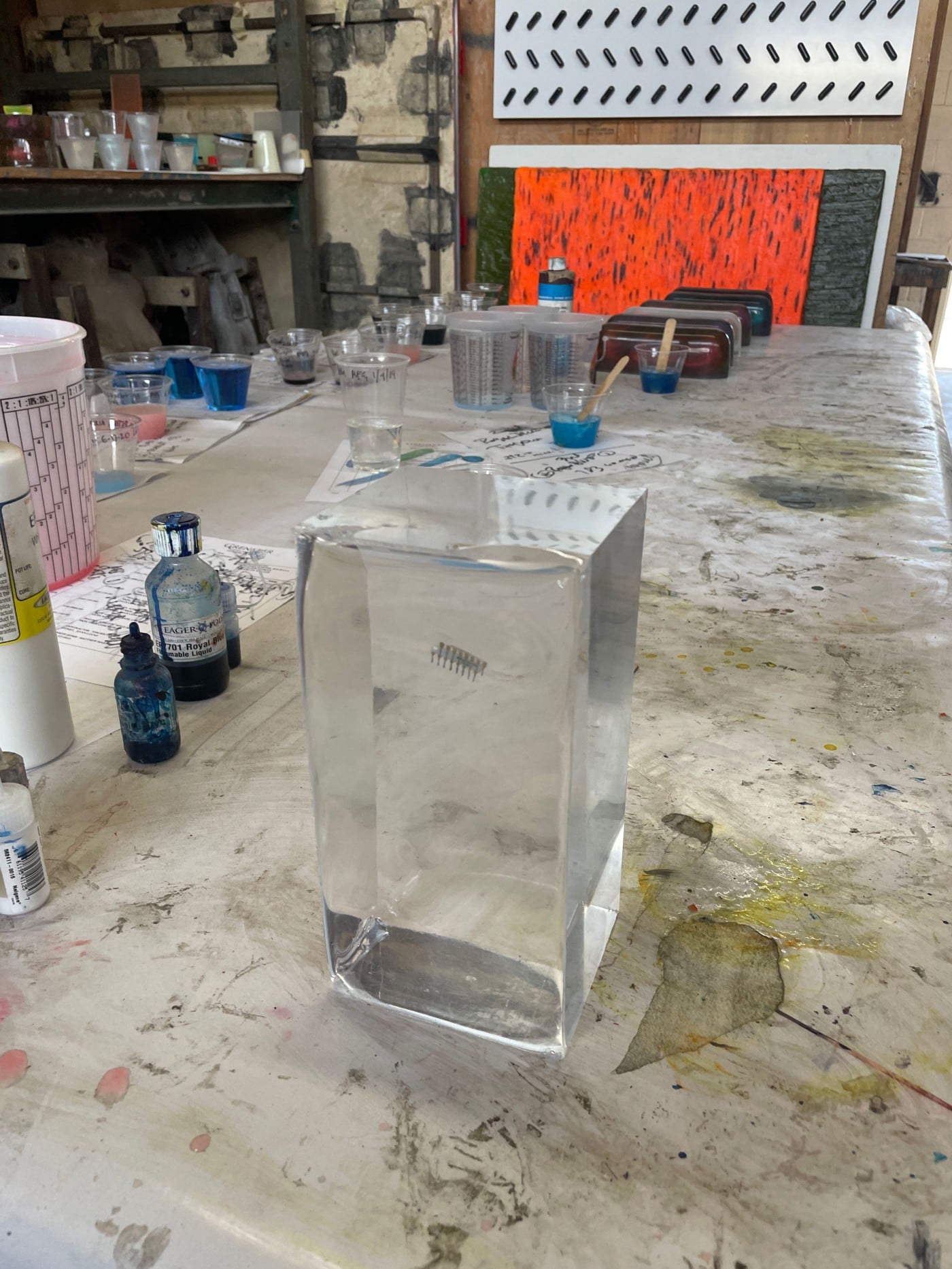
4004

“2021 marks the 50th year since the invention of the 4004 – the world’s first Monolithic CPU and microprocessor. This incredible invention is barely known outside of CPU collector circles, but there’s no reason it should be any less famous than the lightbulb, or the atomic bomb. It was an extraordinary feat of miniaturization which revolutionized computer design and made personal computing a reality. It paved the way for everything in our digital world.”

David OReilly, “4004,” 2021

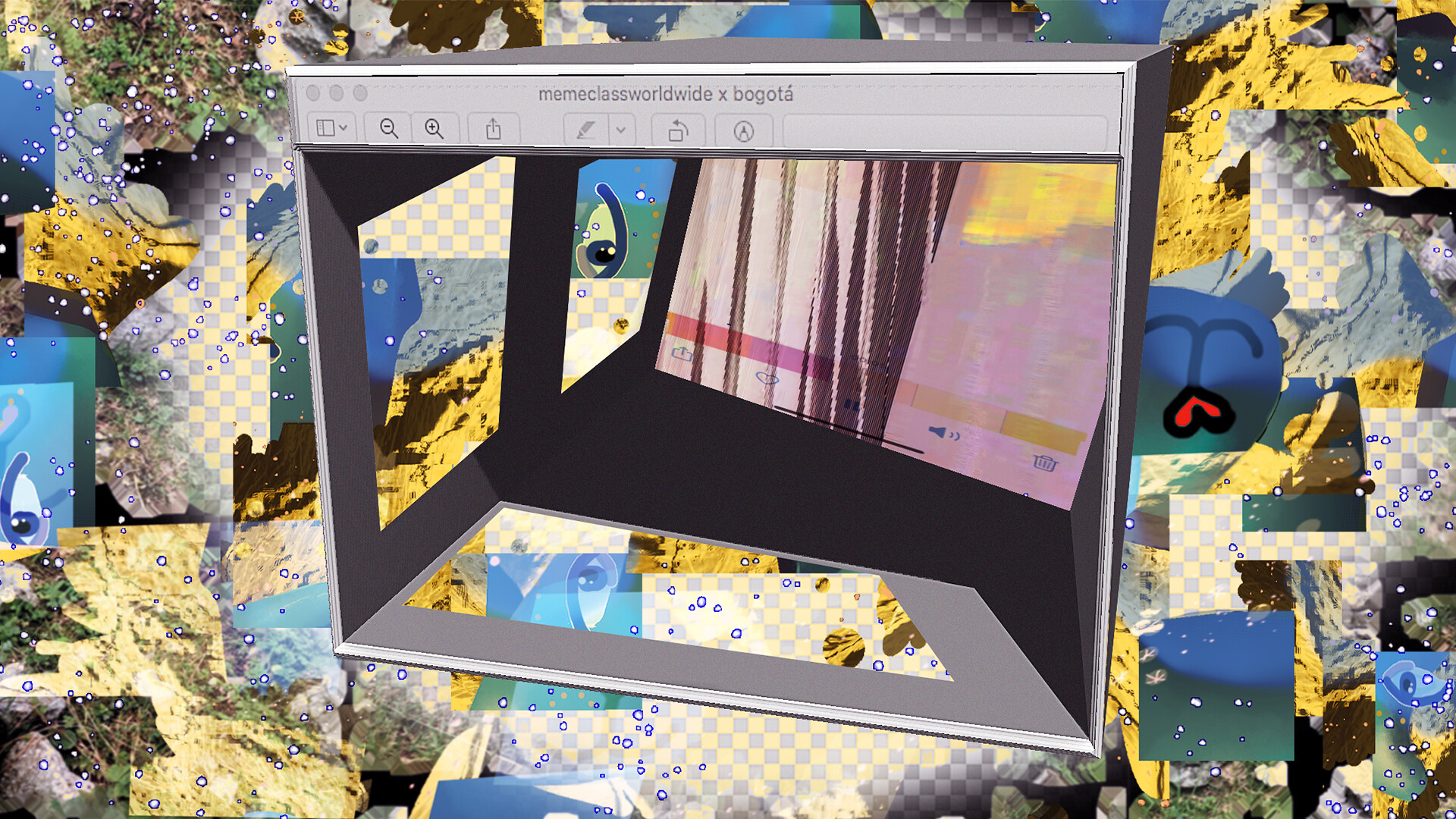
memeclassworldwide

“This might come as a surprise, but memeclassworldwide is not focused on teaching internet meme culture in art school. The idea has never been to guide art students in becoming memelords crossposting shitpics for virtual likes. memeclassworldwide makes this ever changing thematic field accessible to artists-in-training from all disciplines and helps them find entry into the mutation of languages in images, text, and aesthetic and political discourses that originate on the web.”

memeclassworldwide

RGBFAQ

RGBFAQ, by Alan Warburton, traces the trajectory of computer graphics from WW2 to Bell Labs in the 1960s, from the visual effects studios of the 1990s to the GPU-assisted algorithms of the latest machine learning models.

Google Maps Hacks

Google Maps Hacks by Simon Weckert:

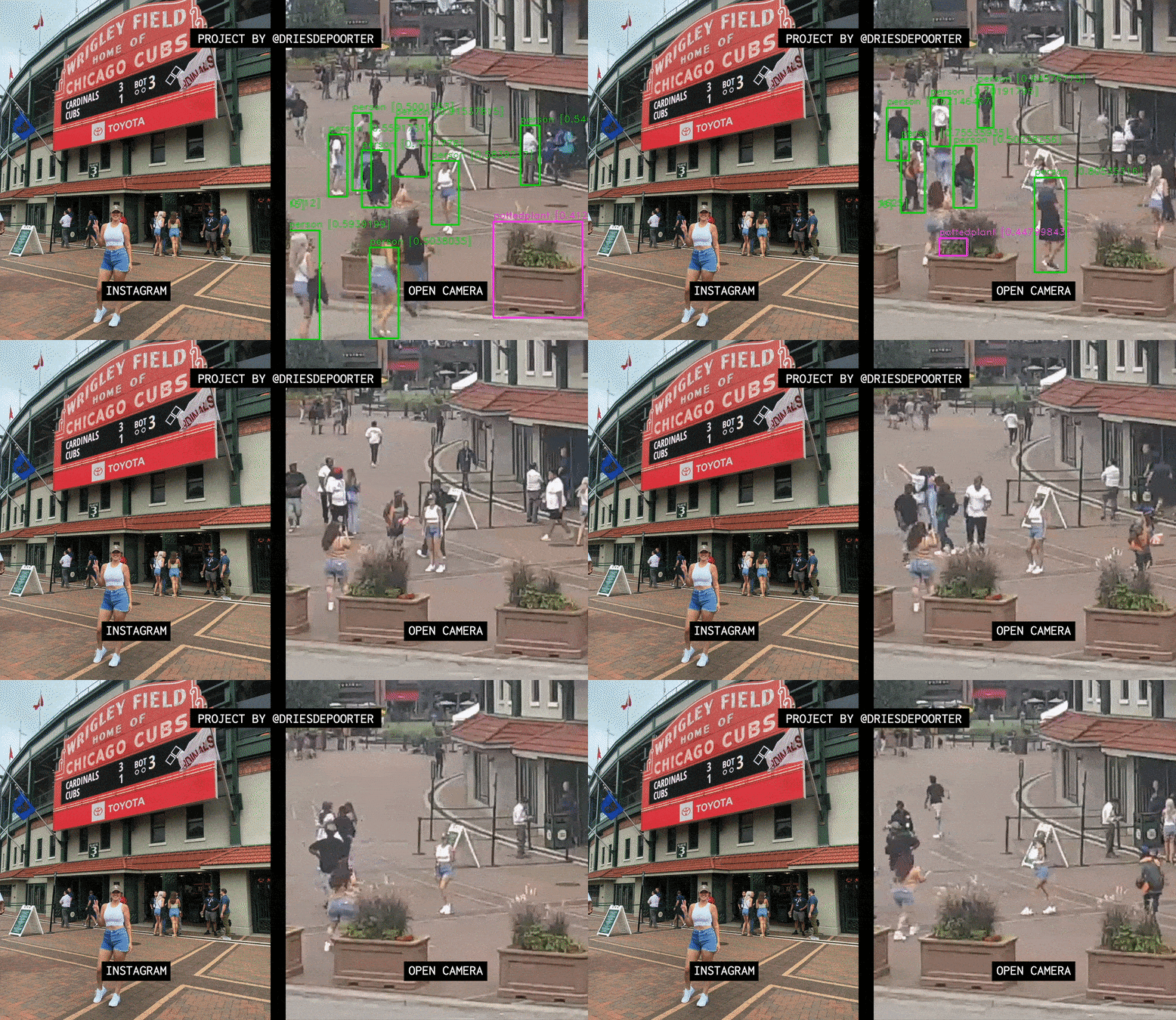
“99 second hand smartphones are transported in a handcart to generate virtual traffic jam in Google Maps.Through this activity, it is possible to turn a green street red which has an impact in the physical world by navigating cars on another route to avoid being stuck in traffic.”

iScream for iPhone

This is a work made by Memo Atken in 2009, but I just discovered it and it’s lovely!

“iScream consists of 16x iPhone applications that do absolutely nothing. Each one has a custom icon, which is a small section of Edvard Munch’s “The Scream”. Using the iPhone’s built in home layout interface, one can jumble up or re-align the tiles until the original painting is revealed; locked behind the iPhone home screen with the icon spacing acting as black cage bars.”

Murder on the dancefloor

“Lavinia Schulz and Walter Holdt were a wife and husband partnership briefly famous in Germany during the early 1920s for their wild, expressionist dance performances consisting of “creeping, stamping, squatting, crouching, kneeling, arching, striding, lunging, leaping in mostly diagonal-spiraling patterns” across the stage. Shulz believed “art should be…an expression of struggle” and used dance to express ‘the violent struggle of a female body to achieve central, dominant control of the performance space and its emptiness'”.

[via]

Dio, an AI Sculpture

“After Snell finished creating the 3D model, he disassembled the computer he made it on and ground it to dust using a specially-designed sealed box. This included the computer’s enclosure, its hard drive, its RAM and its graphics processing unit. He then 3D-printed a mold of Dio and cast the sculpture into this mold using resin and the ground remains of the computer.”
[via]